
A car stored two counties away
A collectible automobile sat in a specialist facility off the residence policy. Climate, access, and transit were not named. Anonymized scenario, not a named client.
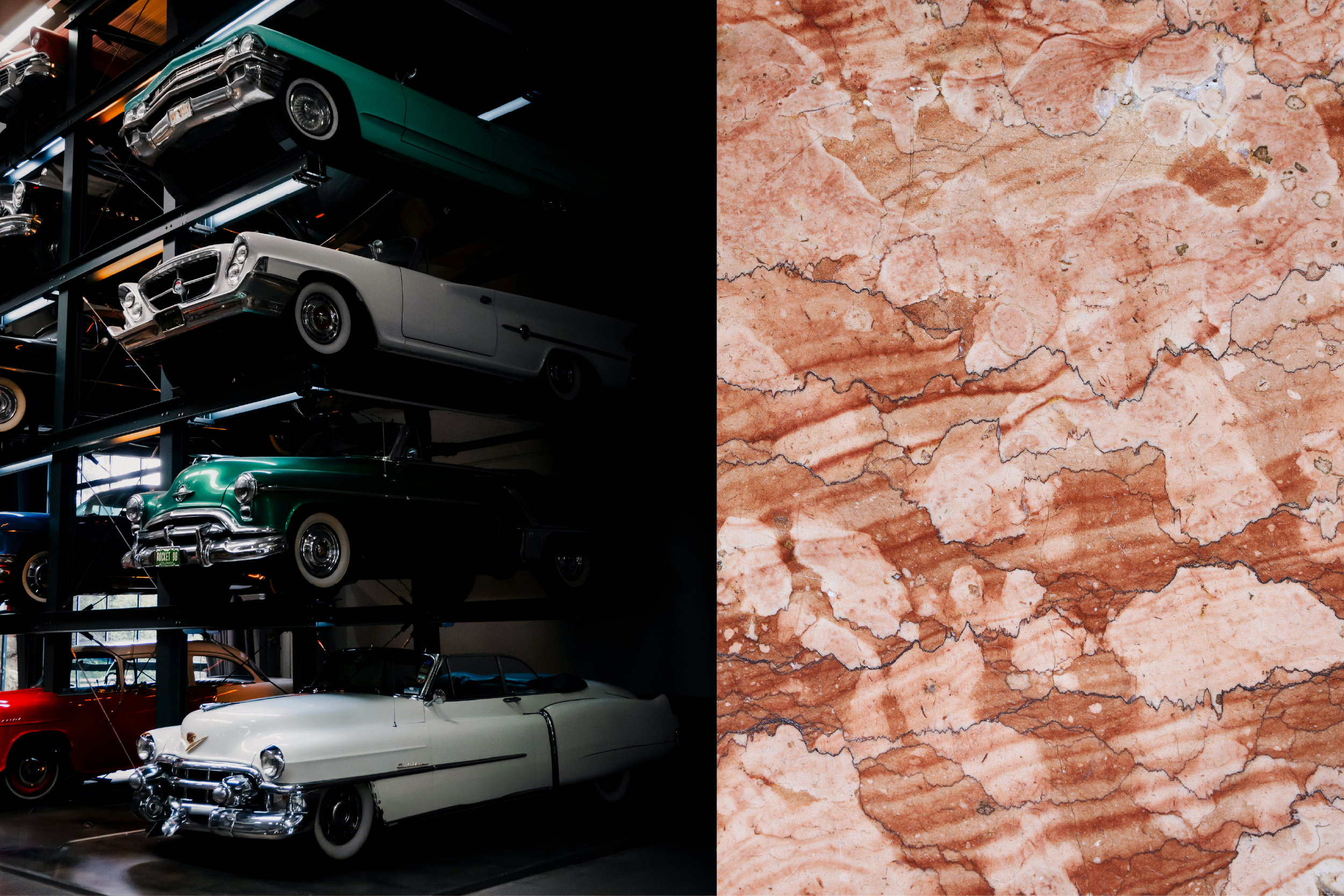
An address nobody had written down
The car lived in a specialist facility two counties from the residence. The policy still used the home address. Climate logs lived with the facility, not in the collection file.
A transit request for a show made the mismatch visible. The garage policy did not mention movement. The file could not answer where the car had been for the last year.
Getting the facility on the record
Named the real address
Put the storage county on the schedule and in the inventory, including who may collect the car.
Climate and condition
Brought facility logs into the collection file so humidity and start-up notes sat next to the appraisal.
Transit language
Asked the broker to write transit and off-site storage as they actually occur, not as an implied trip from home.
The storage file after the visit
This table is a documentation checklist, not performance. No IRRs, no multiples, no fabricated results.
Why the arrangement kept working
One address
The inventory, the facility, and the carrier now name the same county.
Logs travel with the car
Climate and start-up notes are in the collection file, not only at the facility desk.
The cars stayed where they were
The car stayed at the facility. We coordinated records and the brokerage conversation.
What two counties away actually meant
The car had been in the same building for six years and the family could describe that building perfectly: a friend's shop, ninety minutes out, roller door at the side, a man named Ray who kept the key. What they could not produce was an address, a company name, or any document stating that the car was there.
That is a common arrangement and not a bad one. The problem was narrow and specific. The policy insured a car at a residence, the car was not at that residence, and the difference had never been written down. Every month the arrangement held, the gap grew older and harder to see.
What the facility had to prove on paper
- A legal entity and an addressNot a first name and a road. The company that operates the building, its registered address, and the bay the car occupies.
- Temperature and humidity in writingA stated operating range rather than an assurance, and ideally a log that can be produced for the previous twelve months.
- Who may authorise a movementA named list. Ray holding a key is fine. Ray being the only person who knows he holds it is not.
- Fire detection and suppressionThe type of system, the date it was last certified, and whether a vehicle bay is treated differently from the rest of the building.
- Its own insurance, and what that excludesA facility's liability cover is never a substitute for the owner's policy, and reading it is the only way to learn where one stops and the other starts.
- Access recordsWhether entries are logged, how long the log is kept, and whether the owner can ask for it without a reason.
- A contact whose job is the buildingSomeone accountable for the facility rather than someone doing a favour.
The numbers the building actually quoted
| Item | Quoted | Why it matters |
|---|---|---|
| Temperature range | 15 to 21 degrees Celsius, year round | Wide swings move seals, fluids, and trim more than a steady cool does |
| Relative humidity | 45 to 55 percent | Below forty dries leather and rubber; above sixty begins corrosion |
| Battery maintenance | Tender on a monitored circuit | A flat battery in a stored car is a symptom, not an event |
| Fluid and tyre check | Quarterly, logged | Turns condition into a record rather than a recollection |
| Movement notice | Forty-eight hours, in writing | Gives the schedule time to name the new location before the car leaves |
| Access log retention | Twelve months | Long enough to answer a claim question honestly |
None of those figures are remarkable for a building that stores cars for a living. Finding an exceptional facility was never the objective. The objective was to replace a description with a document, so that the policy and the car finally agreed about where the car was.
The limits of this
A named location and a logged range reduce argument. They do not prevent loss, and they are not a warranty from the facility or from us. The transporter's cover, not the storage arrangement, carries the car on the road, and that was placed separately and read separately. Flamboyant Fortune arranged the facility and the transit and never held the keys, the title, or any share of the storage fee.
What storage coordination does not cover
It is not a testimonial, a named client, or a claim about investment return. It is an example of a car whose paperwork lived in the wrong county.
.svg)
.svg)
