
Storage
June 9, 2024

Climate, transit, and the car in the next county
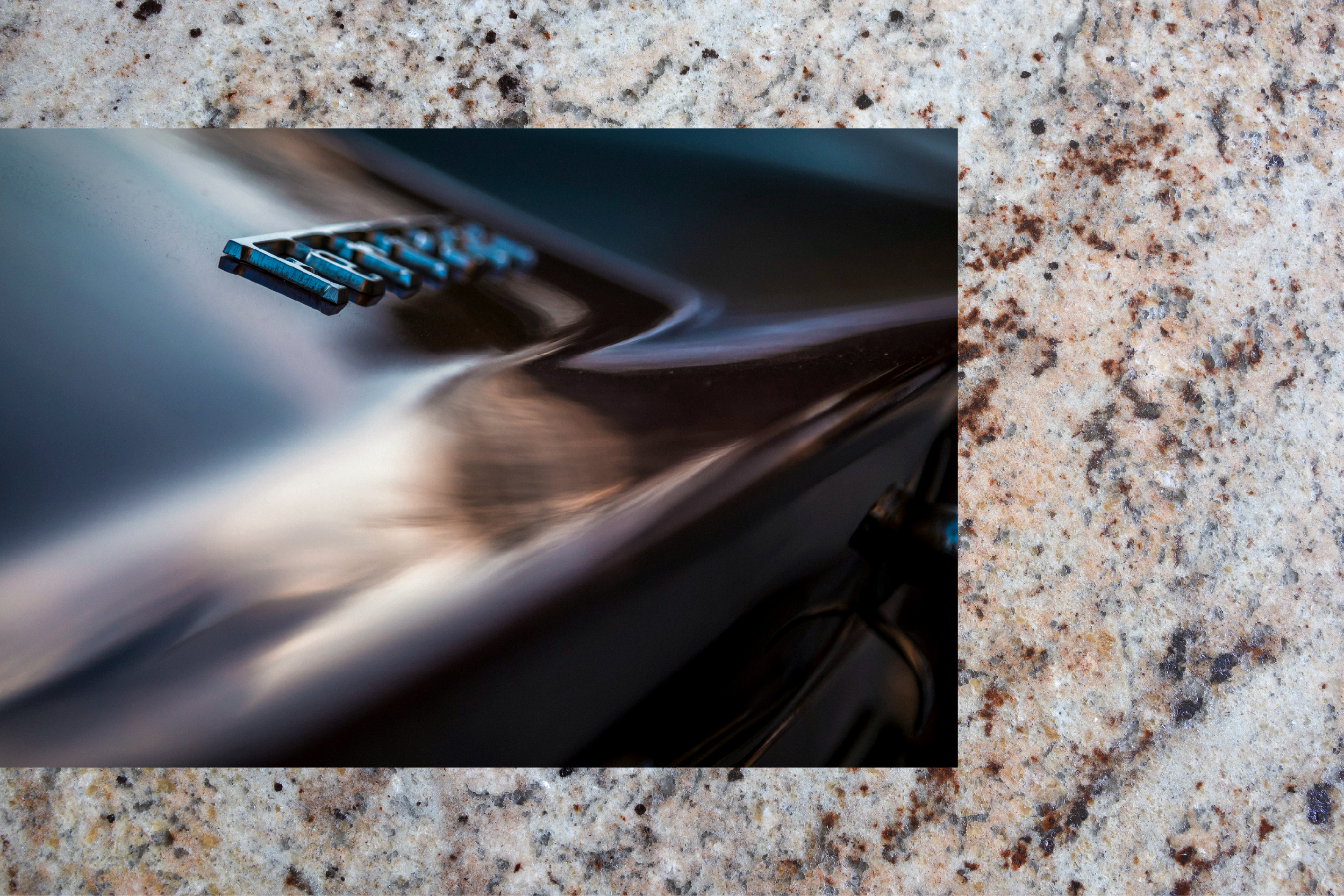
A collector automobile in motion between storage and service.

The car is rarely in the same building

Collectible automobiles often sit in a specialist facility two counties away from the art and the watches. Climate, access, and transit have to be written as facts, not assumed.

A garage policy written to a residence address does not describe a climate-controlled facility two counties away. Carriers notice. Claims stall.

This note is about naming the actual location, the climate, the access rules, and the transit path before a car moves an inch.

What the facility has to prove

Humidity, access logs, fire suppression, and who can enter. A 1960s GT and a daily driver do not share a bay just because both have wheels.

Transit insurance is written or it is absent. Enclosed transport, loading, and overnight stops are not implied by a storage contract.

Access is part of the record

Who can enter, when, and with what notice. Family offices and executors need those rules in the file, not in a manager's memory.

We arrange facilities and logistics. We do not take the keys. Your car stays in your name and in the specialist's care.

Insurance has to name the building

If the schedule still lists your house, the car in the next county is not covered the way you think. Named location, named transit, current appraisal.

Account notices exist for storage access confirmations and transit windows. They are not event promotions.

Keep the location honest

Name the facility. Name the climate. Name the transporter. That is how a car collection sits beside art and watches in one file.

If a car sits off-site, write to support@flamboyantfortune.com with the facility and whether transit is already written.
Collector cars stacked on a multi-level storage rack.

The numbers a facility should be able to quote you

Ask a storage operator for their specification and the good ones answer in figures. The ranges below are what we plan around for collector vehicles held long term. They are starting points for a conversation, not a standard, and a well-run building will explain where it deliberately differs.

ConditionTargetWhy it matters
Temperature12–18 °C, stableSwing matters more than the absolute figure. Repeated cycling stresses seals, trim adhesives, and paint.
Relative humidity45–55 %Above sixty encourages corrosion and mould in interiors. Below forty dries leather, rubber, and timber framing.
Air movementFiltered, gentle, continuousStill air pockets hold moisture against bodywork. Strong directed air dries interiors unevenly.
FloorSealed, non-reactiveBare concrete wicks moisture into tyres and undersides. Sealed floors also make a leak visible the day it starts.
LightLow, no direct sunUltraviolet fades interiors and paint. Windows are a liability rather than a feature.
BatteryManaged maintenance chargeUnmanaged trickle charging damages modern batteries. Ask what equipment they use, per car.
MovementRolled or run on a stated cycleFlat-spotted tyres and dried seals are the usual cost of a car that has not moved in two years.
FireSuppression suited to vehiclesAsk what the system is and what it does to a car that was not on fire.
AccessLogged, named, and auditableAn access log you can read is the difference between an incident and a mystery.

One more question, and it is the one that separates buildings: what happens during a power failure. Generator capacity, how long it holds the climate envelope, and who is notified.

The transit is where the damage happens

Cars are far more likely to be hurt moving between buildings than sitting in one. The list below travels with the vehicle.

  • Enclosed transport, named carrier. Open transport is for logistics, not for collections.
  • Photograph the car before it is loaded. All four corners, wheels, underside if accessible, interior, odometer.
  • Record the odometer at both ends. Disagreement here is the earliest sign something happened.
  • Confirm the carrier's cargo limit in writing. Not the broker's summary of it. The figure and the deductible.
  • Confirm your own policy covers transit. Two policies that both assume the other applies is a common and expensive gap.
  • Agree how it is secured. Soft straps over wheels, not chassis chains, for anything with original bodywork.
  • Name a person at each end. Somebody who can refuse delivery and knows they are allowed to.
  • Inspect on arrival, before signing. A signature on a clean delivery note closes most arguments in the carrier's favour.

A year in a building that is doing its job

Quarterly

Climate log reviewed, not just recorded. Look for the excursions and ask what caused them. A building that cannot produce the log has not been keeping it.

Quarterly

Each vehicle rolled or run per the agreed cycle, with a note of who did it and what they noticed. Fluid marks on a sealed floor get photographed the day they appear.

Twice a year

Physical walk-through by someone who represents you rather than the facility. Tyre pressures, battery condition, covers, and whether the car next to yours has changed.

Annually

Insurance location schedule reconciled against where the cars actually are. This is the step that gets skipped and the one that voids claims.

Annually

Access log audited. Names that should no longer have access are removed, in writing, and the facility confirms it.

On any move

Transit file opened and closed: photographs, odometer, carrier cover, delivery note. Two counties is still transit.

The cost of a car in the next county

Distance itself is not the problem. Distance plus an unreconciled schedule is. A vehicle stored an hour away, named correctly on the policy, with a readable access log and a movement cycle, is in better shape than one in a garage at the house that nobody has looked at since the spring.

Scope. We specify and vet facilities, hold the climate and access records with the inventory, reconcile locations against the insurance schedule, and manage transit files. We do not own or operate storage, and we do not take custody of vehicles.

Need coverage and appraisals for the rest of the collection?

Icon