
Jewelry
February 18, 2020

Jewelry that travels and jewelry that should not
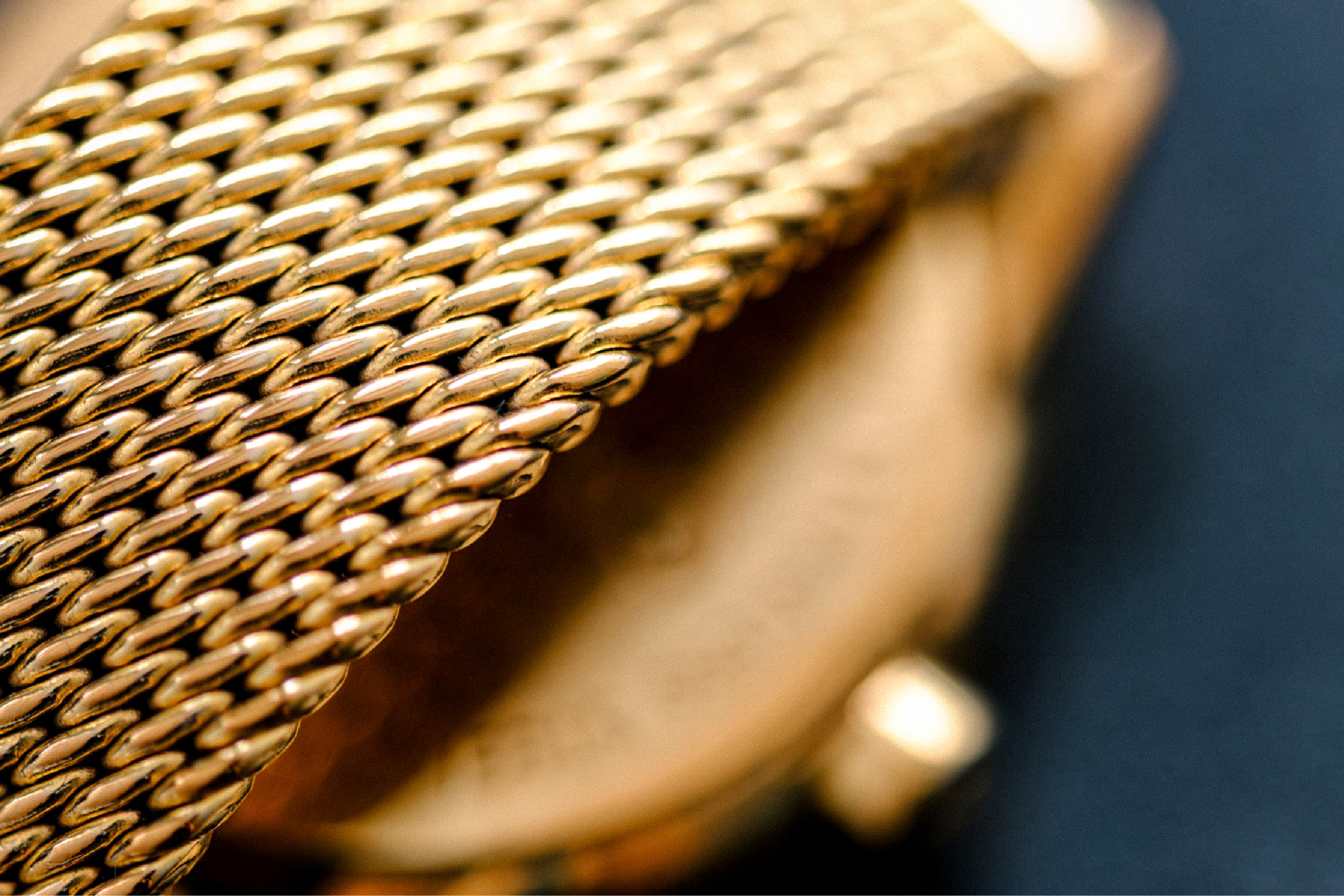
A gold bracelet watch that travels with its owner.

Worn pieces and vaulted pieces are not the same risk

A necklace that leaves the house for a dinner is a different object, for coverage and for storage, than a suite that has not been worn in a decade. Treating them as one line item is how the file lies.

Travel also means service, fairs, and family events in another city. If the policy and the vault log still assume everything is at home, the next claim will stall on a location the carrier never accepted.

This note is about deciding, object by object, what may travel, what should stay, and how that decision is written down.

Write the travel before the trip

Off-premises and transit language is either on the schedule or it is not. A verbal understanding with a broker is not coverage. Neither is a photograph of the piece in a hotel safe.

We ask which pieces actually leave, how often, and with whom. That list is usually shorter than the collection. The schedule should follow the short list, not the full inventory.

Vaulted jewelry has its own file

Pieces that stay in a specialist vault need access logs, named authorized people, and a clear statement that they are not worn. Mixing those with everyday pieces on one rider without saying so is a later argument.

We coordinate the vault conversation and the brokerage conversation so the locations match. We do not take custody, and we do not operate a vault.

Appraisals have to follow the wear

Worn jewelry changes. Stones are recut, clasps are replaced, and a piece that traveled last year may not be the piece in last year's photographs. The next appraisal should see the object as it is worn now.

If a suite is split among family members, say so. The schedule cannot keep describing a set that no longer lives together.

Decide once, then keep the list short

The useful file is a short travel list, a vault list, and a schedule that agrees with both. Stewardship is that agreement, not a larger collection of jewelry than you can account for.

If jewelry in your care both travels and sits in a vault, write to support@flamboyantfortune.com with the object types and how they move. We will tell you what the file still mixes together.
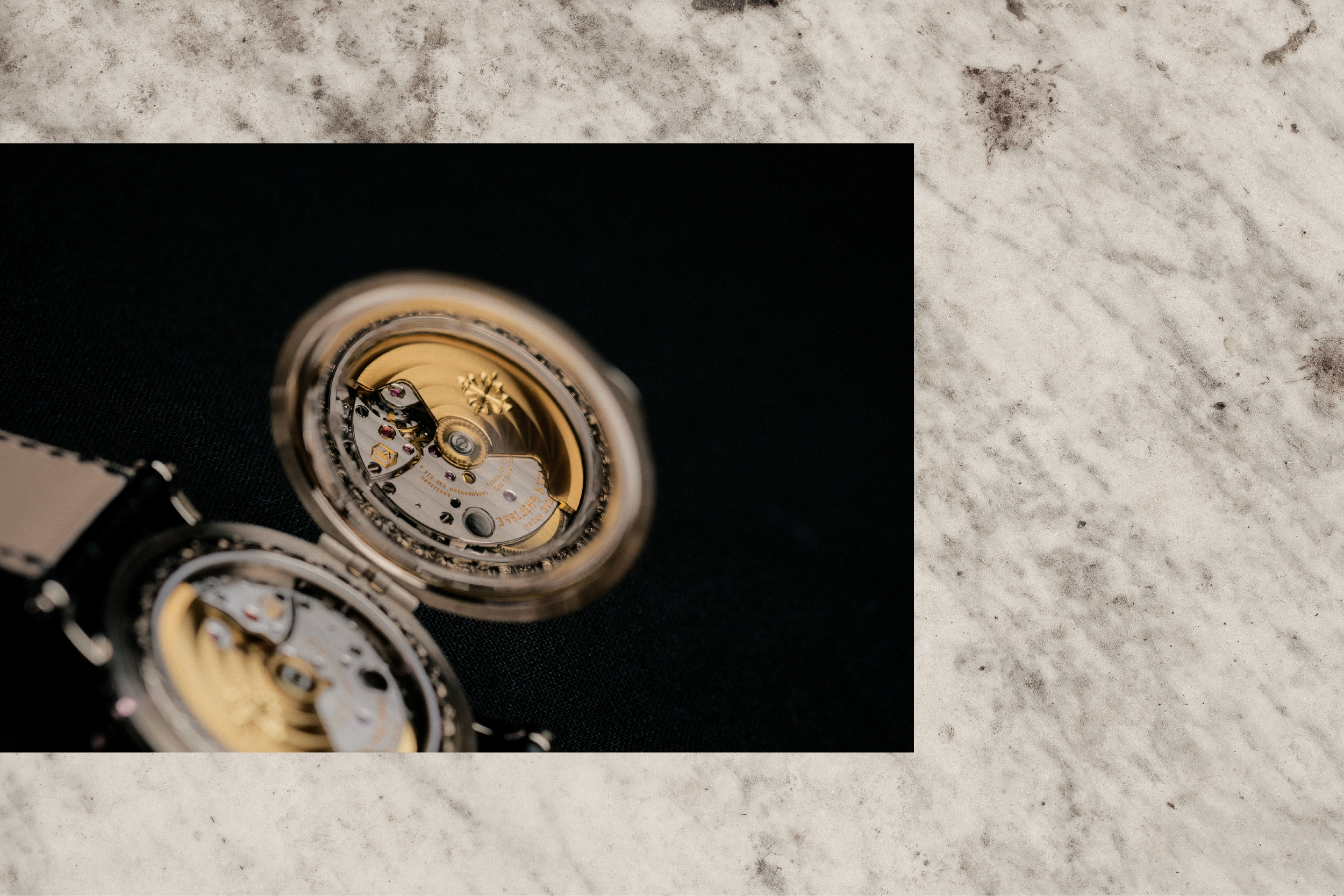
An open pocket watch kept in the vault rather than carried.

Two lists, not one inventory

The decision that makes a jewellery file usable is made once and then maintained: which pieces are in circulation, and which are not. Almost everything else follows from that split. Below is how it usually falls out.

Travels

  • Pieces worn more than a few times a year, including to another city
  • Anything that goes to a jeweller for sizing, cleaning, or repair
  • Wedding and inherited pieces in active family use
  • Items lent for a portrait, an exhibition, or a family event
  • Watches worn daily, which belong on the jewellery schedule and not the household one

Stays

  • Suites that have not been worn in five years or more
  • Pieces held for a named beneficiary under a will or a trust
  • Stones or settings awaiting a decision about recutting
  • Anything whose value rests on a certificate rather than on wear
  • Objects of historical interest that would be diminished by handling

The travel list is usually far shorter than clients expect. Six or eight pieces out of sixty is common. That short list is what the off-premises and transit language on the schedule should be written around, because pricing the whole collection as mobile is expensive and pricing none of it as mobile is a claim waiting to fail.

Before a piece leaves the building

A short, boring routine. It exists so that the answer to “what exactly was lost, and was it covered” takes minutes rather than weeks.

  • Confirm the schedule names it. Not the category, the item. Reference the line number.
  • Check the off-premises limit and territory. Worldwide is a word that has to appear, not be assumed.
  • Photograph it as it is now. Worn pieces change. Last year's image may not describe this year's clasp.
  • Record who is carrying it. A named person, not “the family”. Carriers ask.
  • Note how it travels. Worn, in hand luggage, or shipped by a specialist. The three are priced differently and excluded differently.
  • Log the destination and the dates. Two lines in the file. This is the single most useful habit on this page.
  • Note where it sleeps. A hotel safe is not a vault, and some policies say so explicitly.
  • Close the loop on return. An open travel entry that was never closed is how an inventory quietly becomes fiction.
A schedule that describes a suite which no longer lives together is not an inventory. It is a memory.

The questions that actually decide the file

A suite has been split between two daughters. What changes?

Everything about how it is described. The suite ceases to exist as a scheduled item and becomes separate pieces in separate locations, often under separate policies. Until that is written down, both households believe they are covered for the whole.

The stones were recut and the setting replaced. Is it the same object?

Not for appraisal or for coverage. The new appraisal should see the piece as it is now, and the old report should stay in the file marked superseded rather than be deleted. The history is part of the value.

Do vaulted pieces need their own paperwork?

Yes. Access logs, the names of authorised people, and an explicit statement that the pieces are not worn. Mixing vaulted and everyday items on one line, without saying which is which, is the argument you are trying to avoid having later.

Is a bank box enough?

It is often adequate and it is rarely what the client assumed. Bank boxes are usually not insured by the bank, access is limited to banking hours, and some carriers rate them below a specialist vault. Know which of those matters to you.

Keeping the two lists honest

Once a year, read the travel list and ask whether each entry actually travelled. Pieces migrate onto it after one trip and stay there for a decade. Read the vault list and ask whether anyone has opened the door. Both drifts are harmless until a claim or an estate makes them expensive.

Our part. We hold the inventory, keep the travel and vault lists current, coordinate the appraisal cadence, and make sure the locations named on the schedule are the locations the pieces are in. We do not take custody and we do not operate a vault.

Need the travel list separated from the vault list?

Icon