
Insurance
March 14, 2026

When a watch collection outgrows a single rider
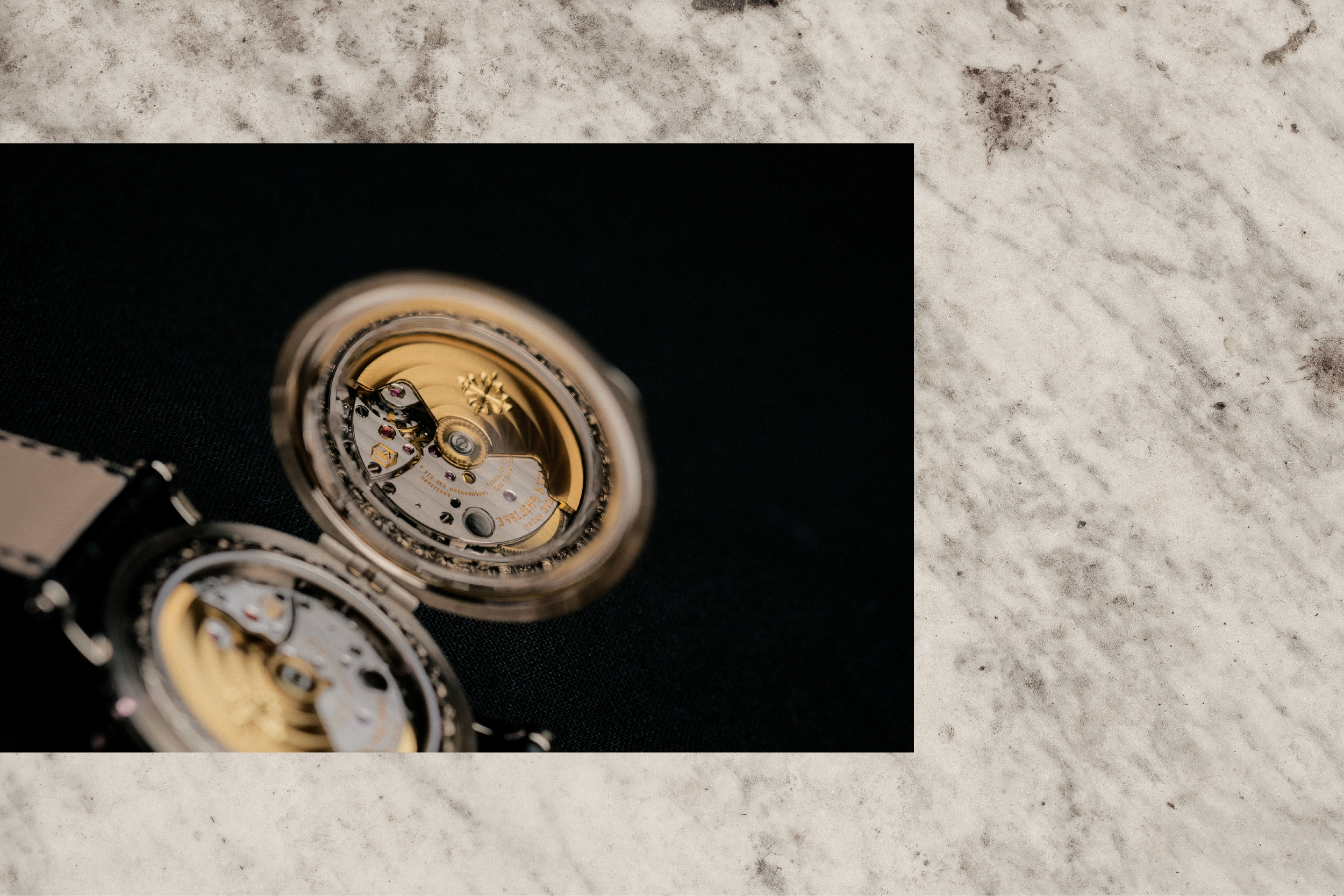
A pocket watch from a collection that outgrew a household rider.

A rider is not a collection policy

Most watch collections begin on a household policy. That works until a few pieces travel, a few sit in a safe, and values move faster than the schedule is updated.

Specialty carriers ask for inventories, recent appraisals, and storage details a personal-lines rider never requested. If those files live in three inboxes, you do not have a policy. You have a hope.

This note is about the moment a collection needs a specialty schedule: one inventory, current appraisals, and a carrier who understands watches that leave the house.

What the carrier will ask for

Expect a line-item inventory, photographs, serial numbers, and an appraisal dated close enough to matter. Vague descriptions such as "watch collection" do not survive underwriting.

If pieces travel to fairs or sit with a maker for service, the policy has to say so. Transit and off-premises coverage are not implied. They are written or they are absent.

Storage is part of the coverage story

A safe at home, a bank box, and a specialist vault are three different risk pictures. Mixing them on one rider without telling the carrier is how claims stall.

We coordinate the appraisal calendar and the brokerage conversation so the inventory the carrier sees is the same inventory in your file. We are not an insurer and do not guarantee placement.

Renewals are where collections drift

A new acquisition, a sale, or a watch out for service can make last year's schedule wrong. Account notices exist for renewal windows and inventory updates, not for promotions.

If you hold other object types, the same logic applies: one schedule, current values, named locations. Fragmented riders are the usual failure.

Keep the file boring

Boring is the point. Current appraisals, a clean inventory, and a carrier who writes watches. That is stewardship, not a pitch for more coverage than you need.

If your watches have outgrown a single rider, write to support@flamboyantfortune.com with the object types and where they sit. We will tell you what the file still needs.

The movement of a mechanical watch, recorded for a specialty rider.

What a specialty schedule looks like next to a household rider

The difference is not the premium. It is what the paper says about each object, and what happens when one of them is lost in a hotel room in another country. A rider describes a category. A schedule describes objects.

 Household riderSpecialty schedule
Object detailA category and a blanket limitLine items with reference numbers, serials, and values
Valuation basisUsually actual cash value, sometimes unstatedAgreed value per item, fixed at the appraisal
Appraisal ageOften never requestedTypically within two to three years, sooner for volatile references
Off-premisesCapped, sometimes as a percentage of the home limitWritten per item or per schedule, worldwide if asked for
Transit and serviceSilent or excludedNamed, including time with a maker or an independent watchmaker
StorageNot distinguishedHome safe, bank box, and specialist vault rated separately
New acquisitionsCovered only after the next renewalAutomatic period, commonly thirty to ninety days, then scheduled

Read that table as a list of questions you will be asked rather than a product comparison. Underwriters are not hostile; they are precise. The file either answers them or it does not.

What underwriting will actually ask you for

This is the order the questions usually arrive in. Assembling the answers before the submission is the whole difference between a two-week placement and a three-month one.

  1. A line-item inventoryReference number, movement or case serial where it exists, year of acquisition, and current location. One row per watch. A spreadsheet is fine. A paragraph is not.
  2. Photographs that identify, not flatterDial, caseback, clasp or buckle, and any distinguishing mark. Two frames per piece is usually enough. Marketing photography is not evidence of the object you own.
  3. Proof of ownershipOriginal invoice, auction receipt, or a private-sale agreement. Where the paperwork is gone, say so in writing rather than leaving a blank field for the underwriter to interpret.
  4. An appraisal a carrier will acceptWritten by someone who appraises watches, dated, and stating the purpose of value. An insurance replacement figure is not an auction estimate and the two are not interchangeable.
  5. Papers, boxes, and service historyFull sets carry value that a bare watch does not. Service records also tell the carrier whether a complication has been maintained or merely owned.
  6. A storage statementWhere each piece sits when it is not worn, what the safe is rated to, and who else has access. Vague answers here are the most common reason a schedule comes back with conditions.
  7. A travel patternHow often pieces leave, to what countries, and whether they are worn or carried. Underwriters price honesty better than they price optimism.

Questions clients ask before they submit

Can I schedule only the expensive pieces and leave the rest on the household policy?

You can, and it is often sensible. The failure mode is the boundary: a mid-value piece that was never scheduled and is also over the household sub-limit. Write the boundary down and revisit it when you buy.

Does a safe at home reduce the premium?

Sometimes, and more often it changes what is offered rather than what it costs. A rated safe that is bolted, monitored, and out of sight is a different proposition from a lockbox in a closet. Carriers ask which one it is.

What happens when a watch is with a maker for six months?

It needs to be covered while it is there, and the maker's own cover is not automatically yours. Tell the broker before the piece ships, not after. Service windows are a recurring blind spot in otherwise careful files.

Do I need a new appraisal every year?

No. You need a cadence that matches the category. References that have moved sharply, or pieces that have been restored, need a fresh opinion before the next renewal. A steady dress watch does not.

Is agreed value always better?

It is usually the point of a specialty schedule, because it removes the argument about depreciation at the worst possible moment. It also obliges you to keep values current, which is the trade.

A schedule is not a promise about the market. It is a promise about what both sides already agreed the object is.

The renewal is the real work

Placement is a project with an end date. Renewal is a habit. The collections that stay properly covered are the ones where four things are true every year: the inventory matches reality, the appraisals are dated inside the carrier's window, the locations named on the schedule are the locations the objects are in, and somebody owns the calendar.

Where we sit. We are not an insurer and we do not place coverage ourselves. We build and hold the inventory, coordinate the appraisers, prepare the submission pack, and keep the renewal calendar so the broker is arguing about terms rather than chasing documents. Placement decisions remain yours and your broker's.

If you are somewhere between a household rider and a real schedule, the fastest way forward is usually not a phone call with a carrier. It is an afternoon spent writing down what you own and where it is.

Need the rest of the collection on the same calendar?

Icon